🌿 Our Chalk & Roots Gold Vault celebration has ended. Thank you to every teacher who joined us! Explore our literacy resources and practical AI tools in the shop. Visit the Chalk & Roots shop →🌿 Our Chalk & Roots Gold Vault celebration has ended. Thank you to every teacher who joined us! Explore our literacy resources and practical AI tools in the shop. Visit the Chalk & Roots shop →
Fresh from Chalk & Roots
20 Ready-to-Use Prompts for K–8 Teachers
Practical starting points for literacy instruction, differentiation, planning, and student support. Choose a prompt, copy it, and customize the bracketed details for your classroom.
1. Build a Phonics Mini-Lesson
Plan explicit, systematic instruction around one phonics skill.
Act as a K–2 literacy coach. Create a 15-minute explicit phonics mini-lesson for [grade] focused on [phonics skill]. Include a clear model, guided practice, 5 examples that progress in difficulty, a quick student response routine, and an exit check. Keep the language student-friendly.
2. Investigate a Syllable Pattern
Help students notice and explain spelling patterns.
Act as a structured literacy specialist. Create a word study for [grade] on the [syllable type or spelling pattern]. Include 12 carefully chosen words, a sort with clear categories, teacher think-aloud questions, common misconceptions, and an “I know because…” explanation frame. Do not include words that do not fit the pattern.
3. Strengthen Vocabulary
Move beyond definitions to meaningful word learning.
Design a vocabulary routine for [grade] using these words: [word list]. For each word, provide a student-friendly meaning, morphology or word-part insight when appropriate, an example and non-example, a discussion question, and a short retrieval practice activity. Keep the routine within [time] minutes.
4. Make a Text Accessible
Support access without removing the thinking.
Act as a literacy and accessibility coach. Review this text for [grade]: [paste text]. Identify likely barriers to access, then suggest vocabulary previews, chunking, visual supports, and brief comprehension checks. Preserve the central ideas and grade-level thinking; do not rewrite the text unless asked.
5. Plan Three Levels of Support
Keep one learning target while varying access points.
Differentiate this learning objective for [grade]: [objective]. Create a scaffolded pathway, an on-level pathway, and an extension pathway. For each, include the student task, materials or support, teacher check-in, and evidence of learning. Keep the same core learning target across all three.
6. Support Multilingual Learners
Plan language supports alongside content learning.
Act as an experienced ELD teacher. For this lesson objective [objective] and grade [grade], identify the language students must understand and use. Provide a short vocabulary preview, visuals or gestures, two sentence frames at different language demands, structured partner talk, and a way to check content understanding without confusing it with English proficiency.
7. Create Text-Dependent Questions
Build questions that require evidence from the text.
Using this passage [paste passage] for [grade], write 6 text-dependent questions: two to locate key information, two to make an inference, one about author's craft or structure, and one that synthesizes ideas. Provide the evidence students should revisit and a brief teacher answer guide.
8. Teach Main Idea and Details
Move students from topic to a supported main idea.
Create a [grade]-appropriate lesson on distinguishing topic, main idea, and supporting details. Include a short original informational paragraph, a teacher think-aloud, a graphic organizer description, three guided questions, and an independent check. Make the main idea precise and supported by the details.
9. Build a Small-Group Plan
Use a specific skill need to shape instruction.
Plan a 20-minute small-group lesson for [grade]. Students need support with [observed skill or error]. Include a quick diagnostic, explicit reteaching, guided practice with examples, immediate corrective feedback, and a final transfer check. List what I should listen and look for.
10. Design a Formative Check
Find out what students understand before moving on.
Create 5 quick formative assessment items for [grade] on [skill or objective]. Include a mix of response types, the correct answer or look-fors, what each incorrect response may reveal, and a suggested next instructional move. The check should take no more than [number] minutes.
11. Unpack a Standard
Translate a standard into teachable evidence.
Act as a curriculum specialist. Unpack this standard for [grade]: [paste standard]. Identify the knowledge, skills, and academic vocabulary; describe what proficiency looks like; list likely prerequisite skills; and propose one aligned learning target and two ways students can demonstrate mastery. Do not add requirements that are not in the standard.
12. Improve a Writing Task
Clarify purpose, audience, evidence, and success criteria.
Revise this writing assignment for [grade]: [paste assignment]. Make the purpose and audience clear, identify the expected text type, add a focused planning step, and create a student-friendly success checklist aligned to [writing standard]. Preserve the assignment's intent.
13. Give Useful Writing Feedback
Make feedback specific, actionable, and encouraging.
Review this student writing sample for [grade] using these criteria: [criteria]. First identify one demonstrated strength. Then name one high-impact next step and show a brief example of how the student could revise one part. Do not rewrite the whole piece or change the student's voice. Writing sample: [paste sample].
14. Create a Meaningful Word Sort
Use examples that reveal the feature being taught.
Create a word sort for [grade] focused on [target feature]. Provide 16 words divided into clear categories, a teacher answer key, 4 challenge words if appropriate, and questions that prompt students to explain the feature they noticed. Check every word against the category rules before presenting the sort.
15. Plan a Cross-Curricular Project
Connect literacy with science or social studies.
Design a [length]-day cross-curricular project for [grade] connecting literacy with [science or social studies topic]. Include an engaging driving question, reading and vocabulary work, discussion, a writing product, student choice, materials, and a simple rubric. Keep the project realistic for a classroom.
16. Refresh Literacy Centers
Build purposeful practice students can manage.
Create 4 literacy center activities for [grade] that reinforce [current skill]. For each center, list the objective, materials, student directions, expected time, and a simple accountability check. Include one low-prep option and explain how students can work independently.
17. Prepare a Read-Aloud
Plan intentional stops for thinking and talk.
Plan an interactive read-aloud for [book or passage] with [grade]. Identify 4 purposeful stopping points, a question for each stop, one vocabulary focus, a brief turn-and-talk, and a closing response that connects to the learning objective [objective]. Avoid interrupting the flow too often.
18. Turn Errors into Next Steps
Use student work to identify what to reteach.
Analyze these anonymized student responses to [task]: [paste responses]. Group the errors by likely underlying misconception, distinguish patterns from one-off mistakes, and recommend a short reteaching move for each group. Do not diagnose students. Suggest one follow-up question to confirm each interpretation.
19. Build a Family Learning Connection
Share a practical activity families can do at home.
Write a welcoming family note for [grade] explaining our current focus on [skill or topic]. Include a 5-minute no-cost activity families can try using everyday materials, a sample conversation prompt, and reassurance that families can adapt it to their language and routines. Use clear, jargon-free language.
20. Check an AI-Generated Lesson
Keep teacher judgment and accuracy at the center.
Act as a critical instructional reviewer. Evaluate this AI-generated lesson for [grade] against the objective [objective] and standard [standard]. Check alignment, factual accuracy, developmental appropriateness, accessibility, bias, and whether the assessment measures the stated learning. Flag unsupported claims and recommend specific revisions. Lesson: [paste lesson].
Use AI as a planning partner, not a replacement for teacher expertise. Review every output for accuracy, student needs, and instructional fit.
One Stop Teacher Resources
🎁 Get the free AI Prompt Vault
Drop your email and it's yours — 20 ready-to-copy AI prompts for teachers.
Mainframe terminals like the ones I first learned on
My journey began with FORTRAN programming on large mainframe computers in Jamaica. Over the decades I witnessed the arrival of personal computers, the Internet, Google, cloud computing, and now artificial intelligence. Each technological breakthrough has transformed education, while reinforcing one timeless truth — great teaching is about helping people learn. Long before AI entered the classroom, I was introducing students to computational thinking through Karel programming.
Signature offer
Today, AI gives us something teachers have always needed —
What's Your Teaching Superpower?
Take a free 30-second quiz and get one resource, hand-picked for what you're working on right now — a free starter kit, a full toolkit, or a template, matched to your answers. No purchase required to see your pick.
Educator • Science of Reading • AI observer • Founder of Chalk & Roots. My work blends decades of teaching experience, ELD support, curriculum design, technology, storytelling, and practical teacher resources. I have lived through the major eras of educational technology, beginning with FORTRAN in Jamaica, and experiencing the rise of personal computers, the internet, and now AI.
"Technology will continue to evolve, but one thing remains constant: great teaching changes lives."
My story
From FORTRAN to AI: A Lifetime of Learning
💻
Jamaica: FORTRAN and mainframesMy journey with technology began in Jamaica, where I learned FORTRAN programming on large mainframe computers. Those early experiences taught me that technology is more than machines—it is a way of solving problems and opening new possibilities.
🔍
The Google momentOver the decades, I witnessed the arrival of personal computers, the Internet, and the first Google searches that transformed education.
🤖
Karel and computational thinkingLong before AI entered the classroom, I was introducing students to computational thinking through Karel programming.
🌱
Today: Chalk & RootsToday, I continue that journey by helping educators harness artificial intelligence to save time, inspire creativity, and keep students at the center of learning.
"Long before artificial intelligence entered classrooms, I was helping students think like programmers through Karel."
Karel and Computational Thinking
This short video represents part of my journey, and the curiosity that has guided my career. From my first programming classes in Jamaica to today's AI-powered classrooms, I've always been fascinated by how technology can transform learning.
Search the 739-record Common Core ELA standards library for grades K–8, select an exact standard, and generate a classroom-ready lesson with both teacher and student formats.
Choose a standard from the connected library or enter your own wording. Generate the lesson, review it, then download both formats together in one PDF or one PowerPoint (.pptx).
Short-form encouragement and practical ideas for educators.
ING Unsung Hero Award
A proud moment connected to classroom innovation and impact.
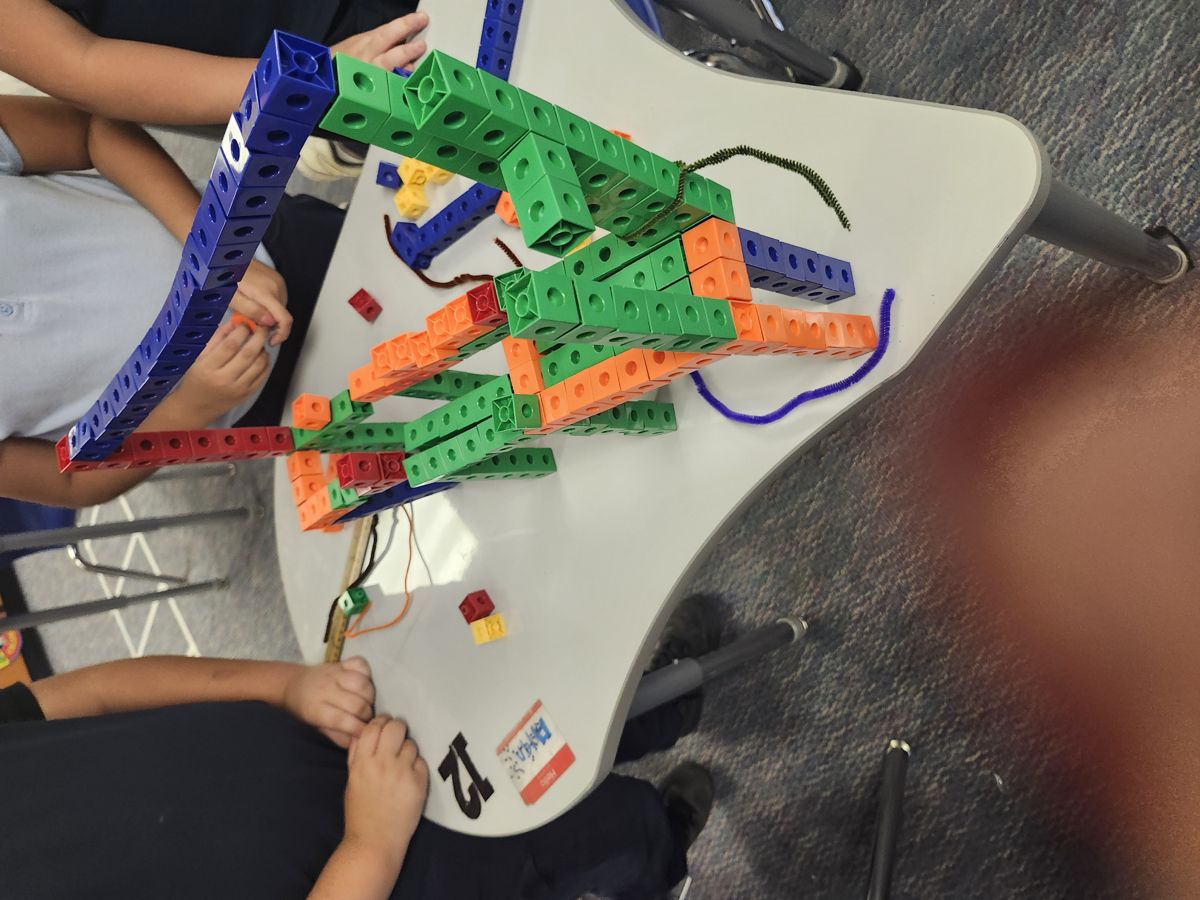
Problem Solving: Marshmallow Challenge
Students engineer, test, and rebuild — real problem-solving in action.
Main Idea (Facebook Reel)
A quick, practical breakdown of teaching main idea in the classroom.
Sunday Night Reset
Wind down and get ready for the week ahead — a calm reset routine.
Experiential learning
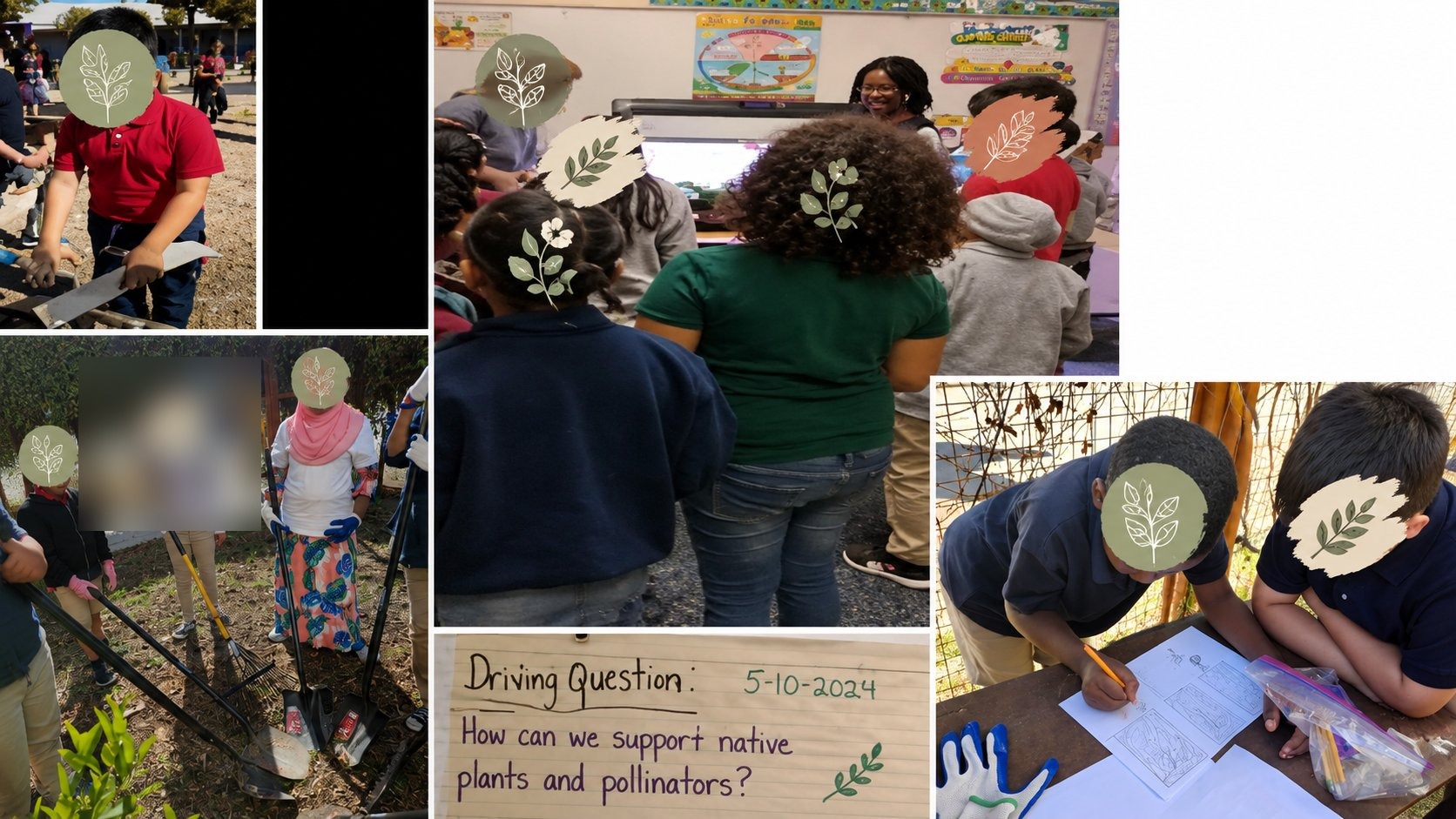
School Garden Projects
Students dig in, literally, exploring a driving question: How can we support native plants and pollinators? Garden work builds science, writing, teamwork, and a real connection to place.
🌱
Rooted learning
Garden projects, place-based learning, memoir, culture, and student experience bring curriculum to life.


 ☕ Shop